
Back pain
Exercise physiology for chronic low back pain
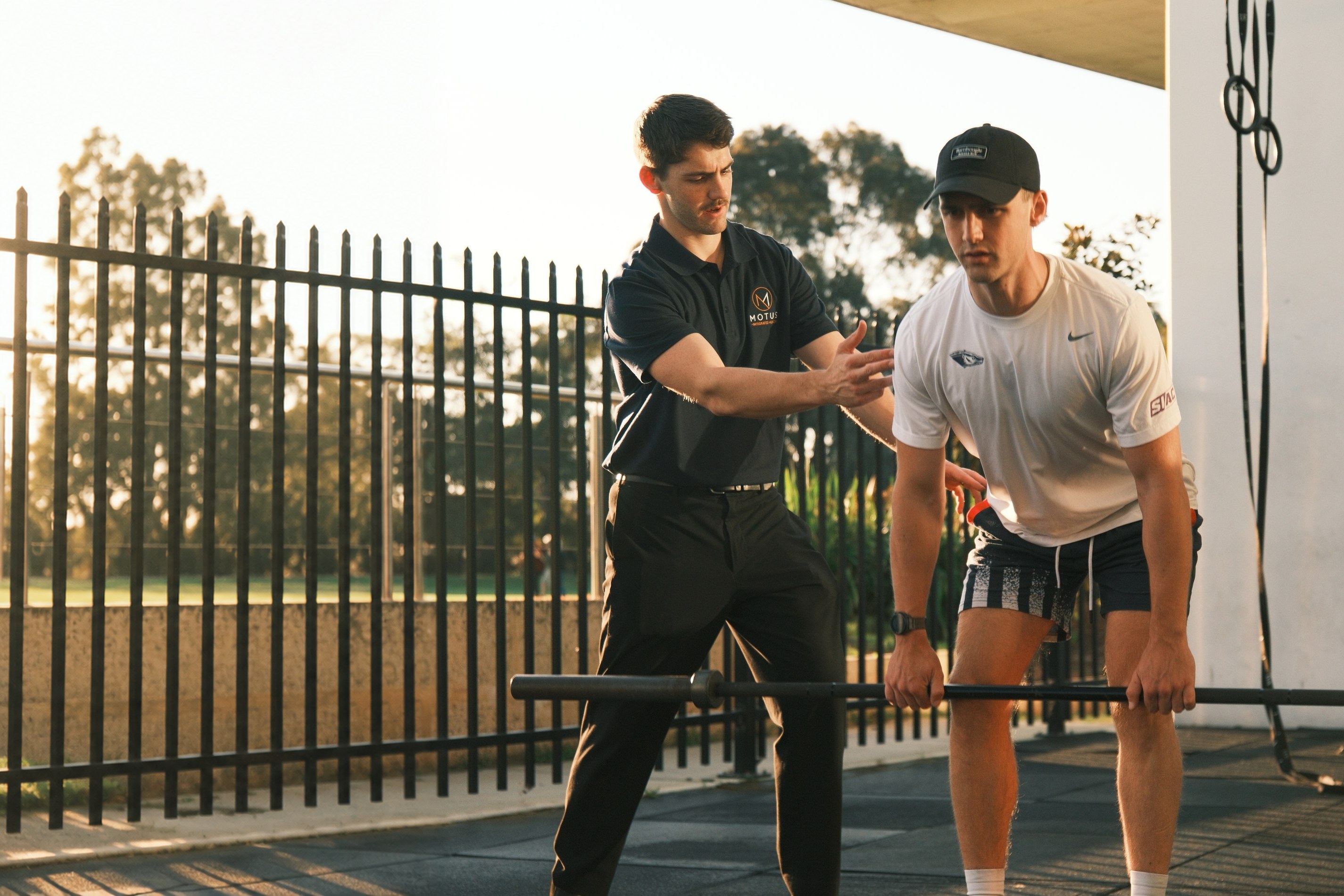
Persistent back pain can make ordinary tasks feel uncertain. A tailored exercise program can help you rebuild movement, strength and confidence at a manageable pace.
How exercise helps chronic low back pain
Chronic low back pain usually means pain lasting longer than three months. For adults with chronic non-specific low back pain, tailored exercise can help reduce pain and improve everyday function.
A Cochrane review of 249 trials found benefits for back pain with exercise compared with usual care, placebo or no treatment (Hayden et al., 2021). Another review found that adding pain education to exercise improved short-term pain and function compared with exercise alone (Ma et al., 2024).
Exercise physiology focuses for lower back pain
- Progressive strength training: gradually increase resistance to build the capacity needed for lifting, carrying and everyday tasks.
- Graded exposure: progressively reintroduce movements and higher loads to build tolerance and confidence.
- Pain education and self-management: understand the nervous system’s role in pain and learn how to pace activity and adjust exercise during flare-ups.
Starting with what you can manage
Your program begins at a level suited to your symptoms, health history and current capacity. We gradually progress resistance, movement range and exercise demands, with regular adjustments to support steady, achievable progress.
The aim is to build a routine you can sustain. Progress might mean walking further, returning to the gym or completing daily tasks with less difficulty.
How an exercise physiologist supports your recovery
An Accredited Exercise Physiologist assesses your history, capacity and goals, then guides you through a personalised plan. Supervised sessions combine progressive exercise, pain education and practical strategies to build confidence and help you manage activity between appointments.
My experience helping a client return to golf
I worked with a gentleman whose lower back pain was affecting his walking, sleep and everyday movements. We built his program around gradual loading, practice with tasks he found difficult and education to help him understand his pain. Ongoing guidance and program adjustments based on his symptoms were central to the process. He has since returned to playing 18 holes of golf twice a week and doing more of the things he enjoys in retirement. Seeing him regain that freedom has been a rewarding part of our work together.
Mobile exercise physiology for back pain in Perth
Motus Integrated Health is based in Kensington and provides mobile exercise physiology across the Perth metropolitan area. We build your program around your goals and the activities that matter to you, at home, in your gym or in a suitable community setting.
General information only. Exercise advice should be tailored to your health, needs and goals.
References
- Hayden JA, Ellis J, Ogilvie R, Malmivaara A, van Tulder MW (2021). Exercise therapy for chronic low back pain. Cochrane Database of Systematic Reviews, 9, CD009790. Read article
- Ma X, Chen R, Li W, Huang P (2024). A systematic review and meta-analysis of pain neuroscience education for chronic low back pain: short-term outcomes of pain and disability. Physiotherapy Theory and Practice, 40(9), 2130–2149. Read article