
Cerebral palsy
Cerebral palsy and exercise physiology for everyday function
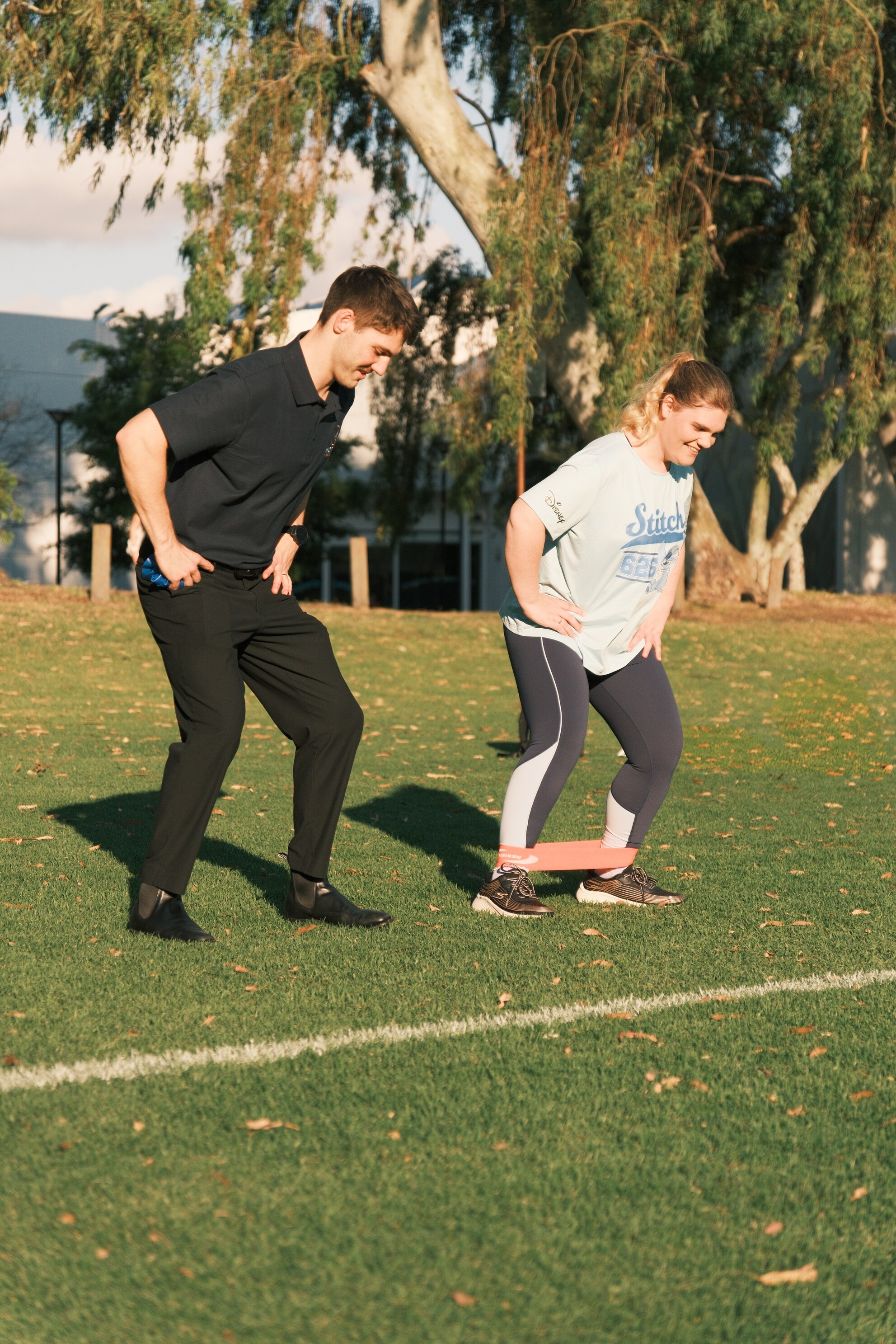
Exercise for cerebral palsy should start with the person’s goals. That might mean easier transfers, more confident movement, joining an activity or maintaining the skills used every day.
Building a program around the person
Cerebral palsy affects movement and posture, but support needs vary widely. An exercise plan should consider mobility, muscle strength, balance, fatigue, equipment and the person’s preferred activities.
Programs can support a range of mobility goals, including transfers, seated movement, wheelchair use and walking, with exercises adapted to the person’s abilities and equipment.
Research on exercise for cerebral palsy
Research supports exercise to develop strength and movement capacity in children with cerebral palsy. A review of 27 trials found improvements in muscle strength and walking speed following exercise interventions (Liang et al., 2021).
A separate review found improvements in balance and gross motor function in children with cerebral palsy (Xiao et al., 2024). Together, these findings support targeted exercise to work towards meaningful physical goals, with each program tailored to the person’s abilities and priorities.
Exercise physiology focuses for cerebral palsy
- Progressive strength development: gradually increase resistance or task demands to support transfers, mobility and other daily activities.
- Balance and movement control: practise coordinated, purposeful movement with support and challenge matched to the person’s abilities.
- Physical capacity and fatigue management: build activity tolerance while adjusting exercise demands, rest and recovery.
- Functional skill development: practise meaningful tasks and measure progress towards greater participation or independence.
How progress is measured
Progress should connect to the person’s priorities. Alongside strength or balance assessments, we can track a chosen task, the support it requires or how long an activity can be sustained. Exercise is adjusted to symptoms, fatigue and recovery, with input from the wider care team where appropriate.
Exercise physiology and the NDIS
Exercise physiology may be funded through the NDIS when it addresses disability-related needs and meets funding criteria. Confirm the relevant support in your plan before booking so sessions can be aligned with your funded goals.
My experience building mobility and confidence
When one client with cerebral palsy first came to see me, he was completing a small home exercise routine and could walk around 50 metres at a time with a walker. Two years later, he can cover that distance using a walking stick, supporting his goal of travelling overseas to visit family and friends and getting on and off a plane independently. We also completed the 3 km HBF fun run event together using his walker. That was a significant milestone, but what stands out just as much is his growing confidence and trust in his body, alongside the strong relationship we have built.
Mobile cerebral palsy exercise physiology in Perth
Motus Integrated Health provides individualised mobile exercise physiology across metropolitan Perth. We work around your environment, supports and goals, and can involve family members, support workers and other clinicians with your consent.
General information only. Exercise advice should be tailored to your health, needs and goals.
References
- Liang X, Tan Z, Yun G, et al. (2021). Effectiveness of exercise interventions for children with cerebral palsy: A systematic review and meta-analysis of randomized controlled trials. Journal of Rehabilitation Medicine, 53(4), jrm00176. Read article
- Xiao J, Liu L, Tang N, Yi C (2024). Effects of exercise intervention on balance function in children with cerebral palsy: A systematic review and meta-analysis of randomized controlled trials. BMC Sports Science, Medicine and Rehabilitation, 16, 164. Read article
- Funding information: National Disability Insurance Agency. What are therapy supports. Current 17 July 2026. NDIS guidance