
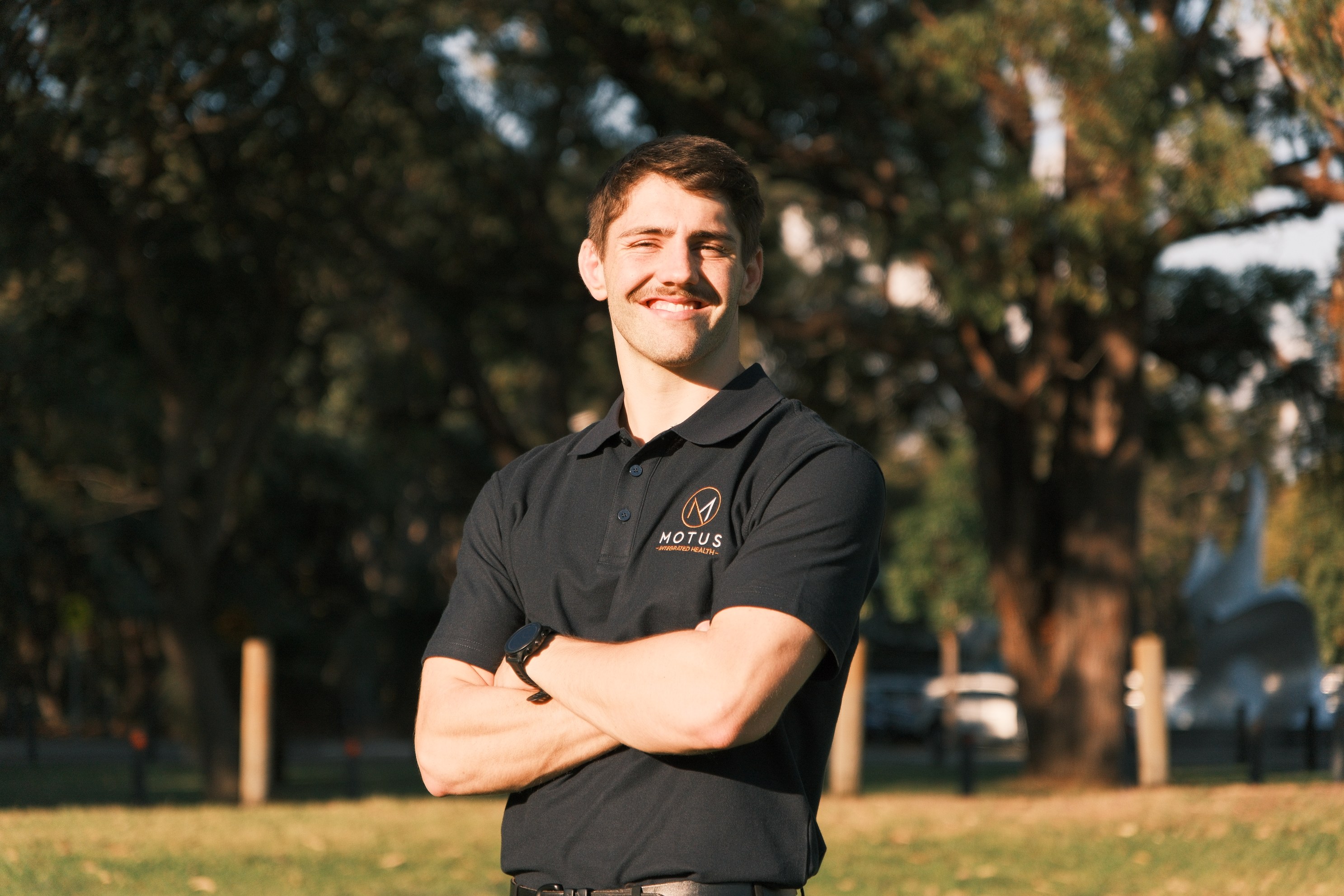
Founder · Accredited Exercise Physiologist
Meet James Pirie
The founder of Motus Integrated Health, based in Kensington. Here is James's story, his qualifications and the areas of clinical interest he has built the most experience around.
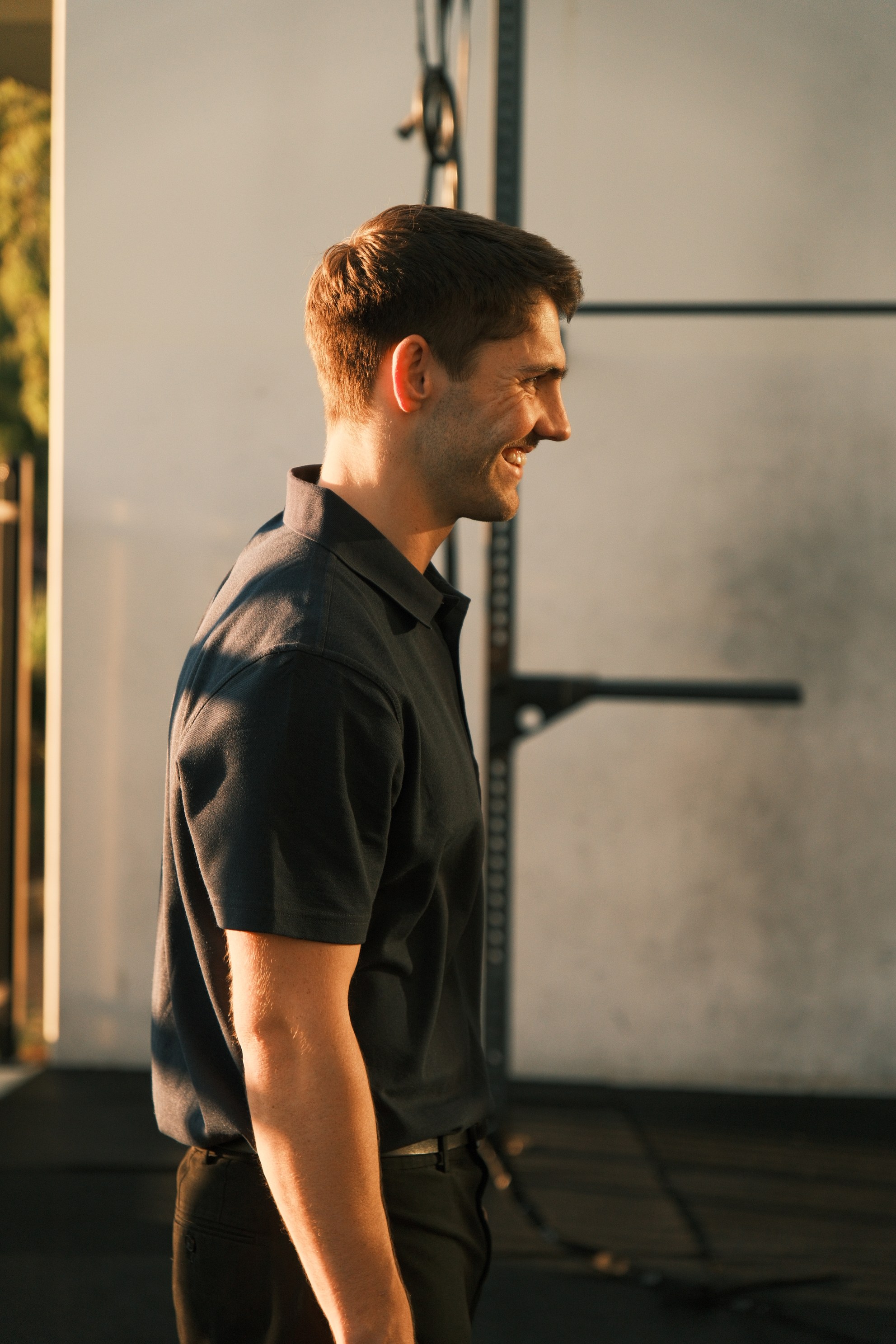
Ultimately, I want every client to feel listened to, supported and confident that we're working together towards goals that genuinely matter to them.
Qualifications
- Accredited Exercise Physiologist (Exercise & Sports Science Australia)
- Master of Clinical Exercise Physiology (MCEP)
- Bachelor of Sport Science
My story
Over the past seven years, I've worked across the health and fitness industry as a Personal Trainer, Strength and Conditioning Coach and Accredited Exercise Physiologist. These experiences have allowed me to work with a wide variety of individuals — from athletes looking to optimise performance, to people recovering from injury, managing chronic conditions and improving their independence through exercise.
Outside of work I love staying active through the gym, Brazilian Jiu-Jitsu and Gaelic football. Growing up, I was constantly dealing with sporting injuries, which often meant missing out on training and games. Those experiences played a big role in my decision to become an Exercise Physiologist, as I wanted to help people build stronger, more resilient bodies so they're less likely to miss out on doing the things they love because of injury or physical limitations.
I also live with Ankylosing Spondylitis, a chronic inflammatory condition that has caused significant pain throughout my life. There was a period where chronic pain had a major impact on my everyday life; however, learning to manage it through regular exercise completely changed the way I live. That experience has given me a genuine appreciation for the positive impact exercise can have — not only physically, but mentally — and is something I'm passionate about sharing with my clients.
Another area that's particularly close to my heart is working with people living with disabilities. My sister and uncle both have Cerebral Palsy, and growing up alongside them has shaped the way I approach Exercise Physiology within the NDIS. It has reinforced the importance of individualised care, patience, building meaningful relationships and helping people maximise their independence and quality of life.
Specialty areas of clinical interest
We work with a broad range of conditions. These are the three we see most, and the ones we have built the most experience around.
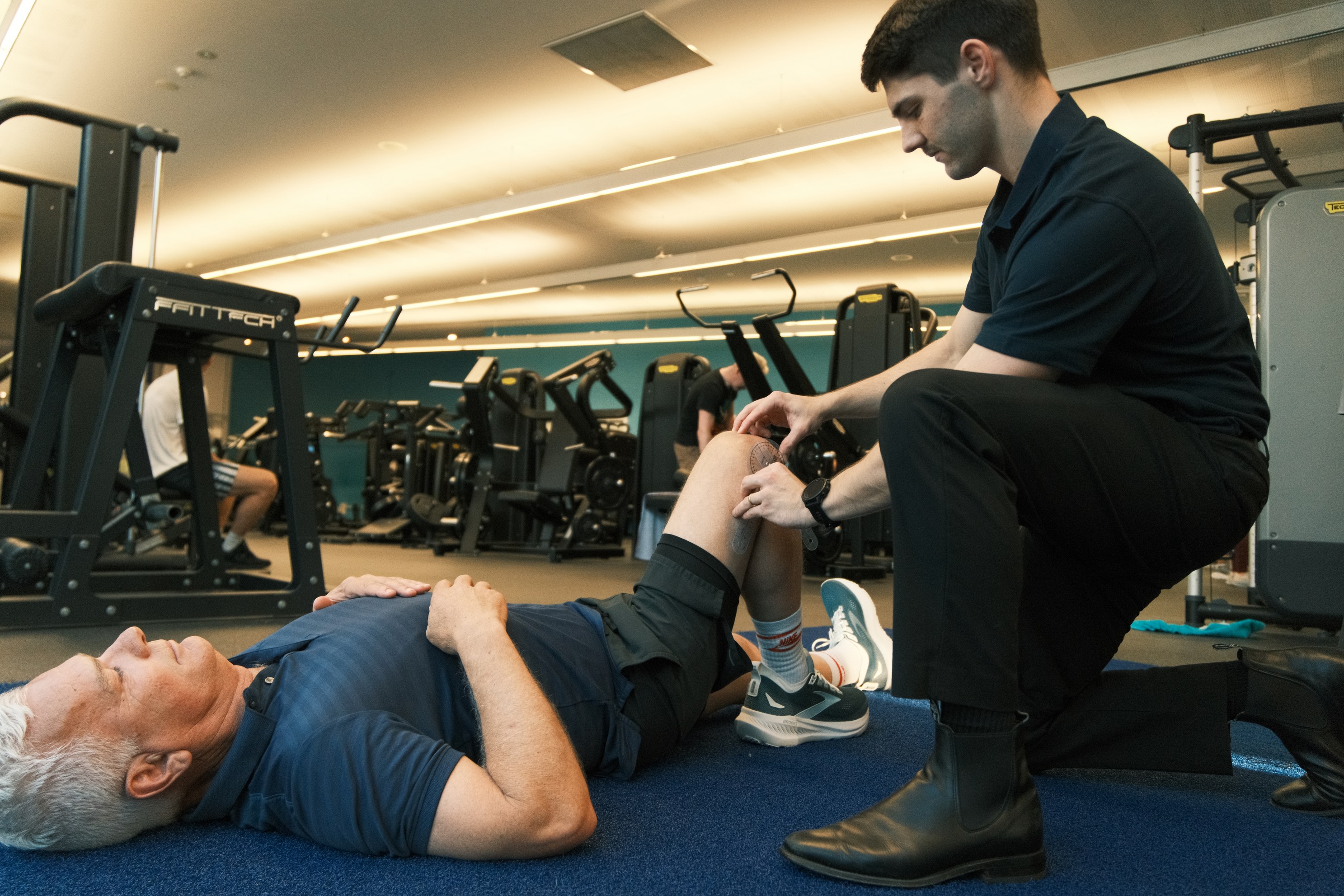
Hip, knee and lower back
The regions that most often stop people doing ordinary things: stairs, driving, sleeping, getting off the floor. Programs target the strength and control those joints have lost, and progress is measured against what you can actually do again.
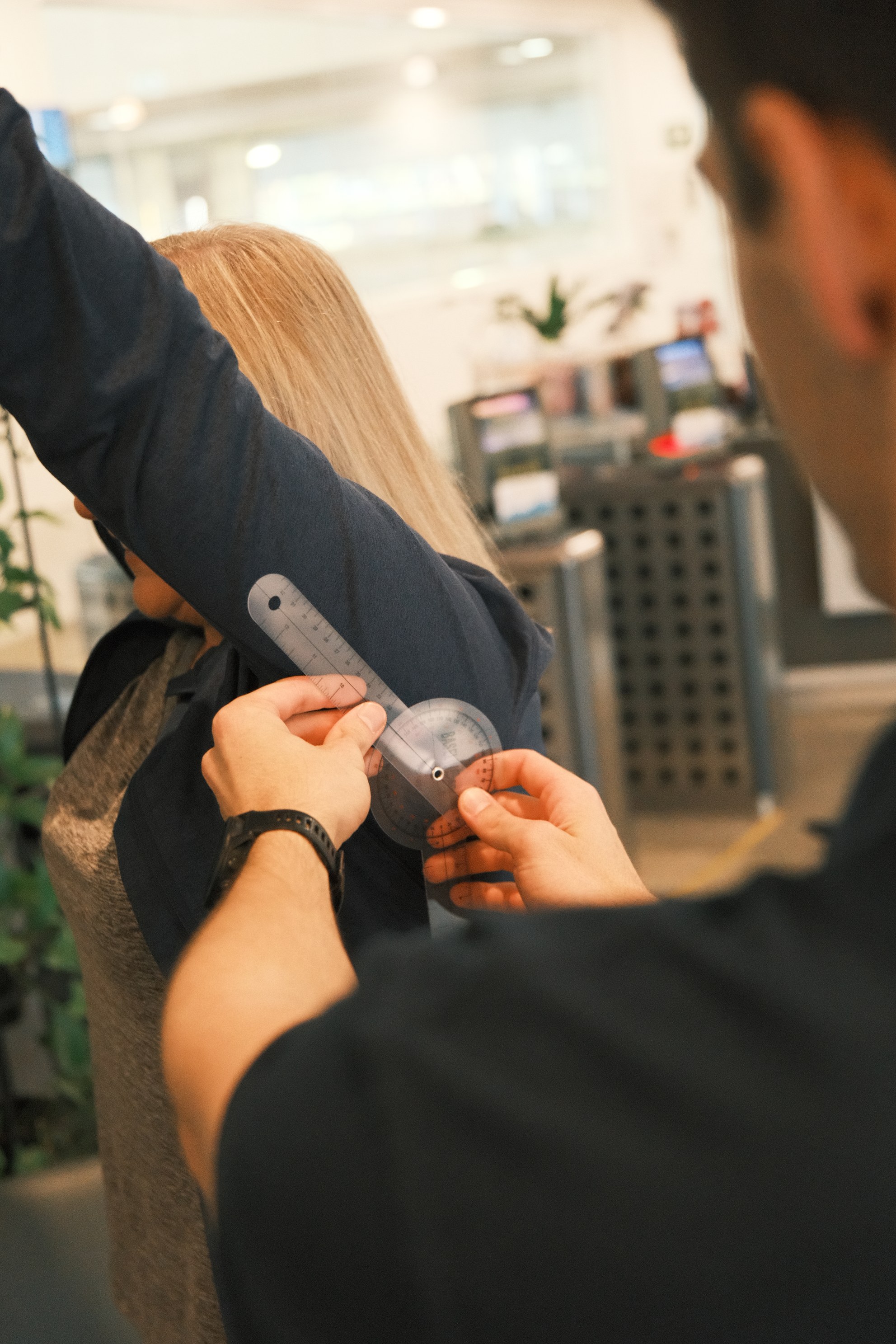
Pre- and post-operative rehabilitation
The stronger you go into musculoskeletal surgery, the better the months after it tend to go. We build capacity beforehand where there is time, then rebuild it afterwards within the surgeon's protocol — at home, in the weeks when travelling is hardest.
Acute and persistent pain
Pain that has lasted days behaves differently from pain that has lasted years, and the two need different plans. Our founder lives with Ankylosing Spondylitis and has managed his own persistent pain through exercise, which shapes how carefully we pace sessions.
Work with us
Book an initial assessment online, or call 0417 523 330 if you'd like to talk through whether exercise physiology is right for you.